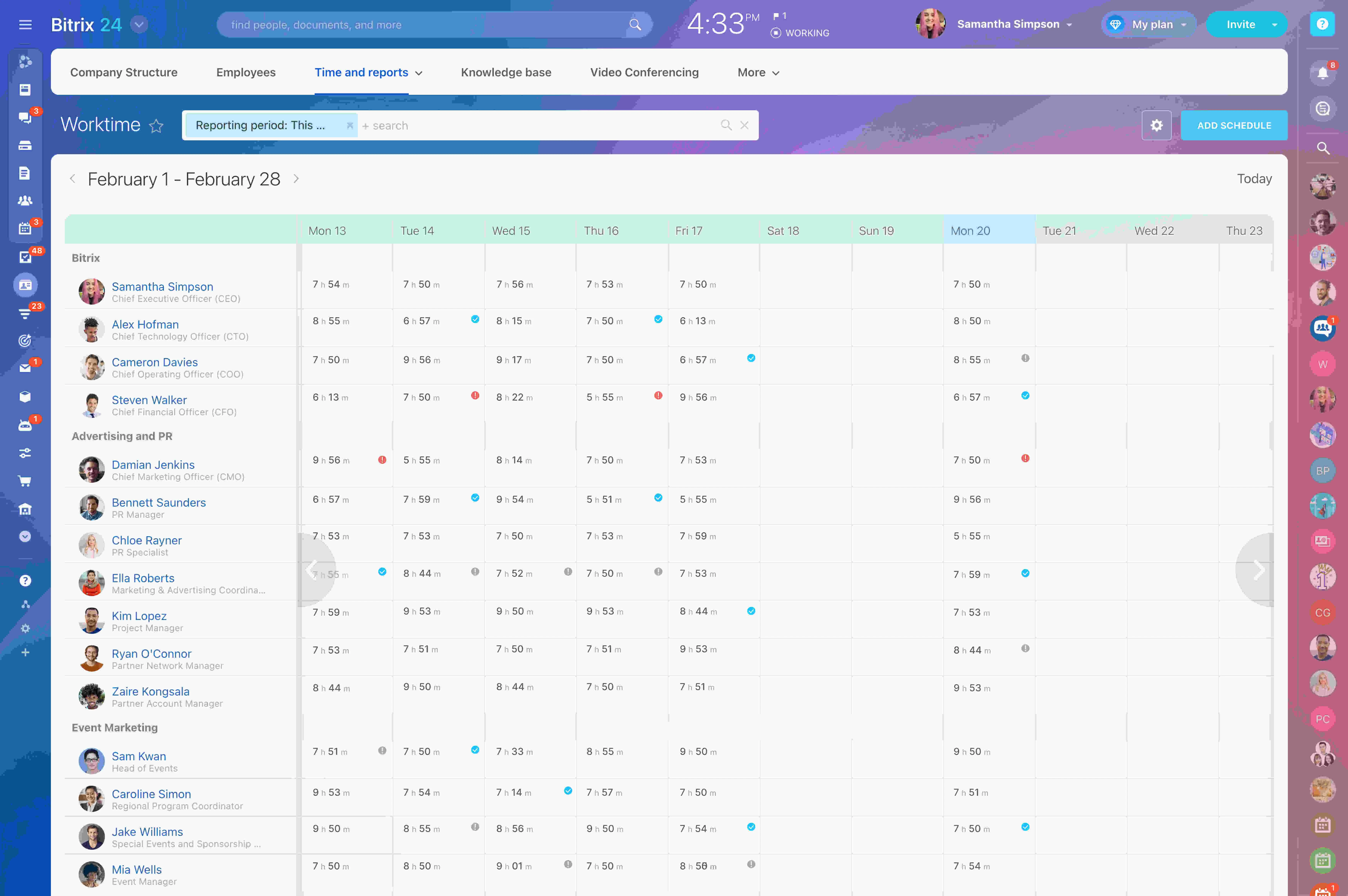
When several projects rely on the same people, managers need to know who is carrying too much work and where capacity remains. Workload management software provides a clearer basis for reviewing assignments, balancing responsibilities, and deciding what should happen next.
Bitrix24 brings task ownership, time tracking, and reports into the workload review process. Managers can compare current commitments with recorded effort, then use that context to adjust priorities or assign new work more carefully.
Review workload patterns in reports
Reports help managers look beyond individual tasks and examine workload across the team. Reviewing task and time information can highlight uneven distribution, unusual effort, or areas where priorities and resourcing may need attention.
Regular checks make developing imbalances easier to address before they affect delivery.
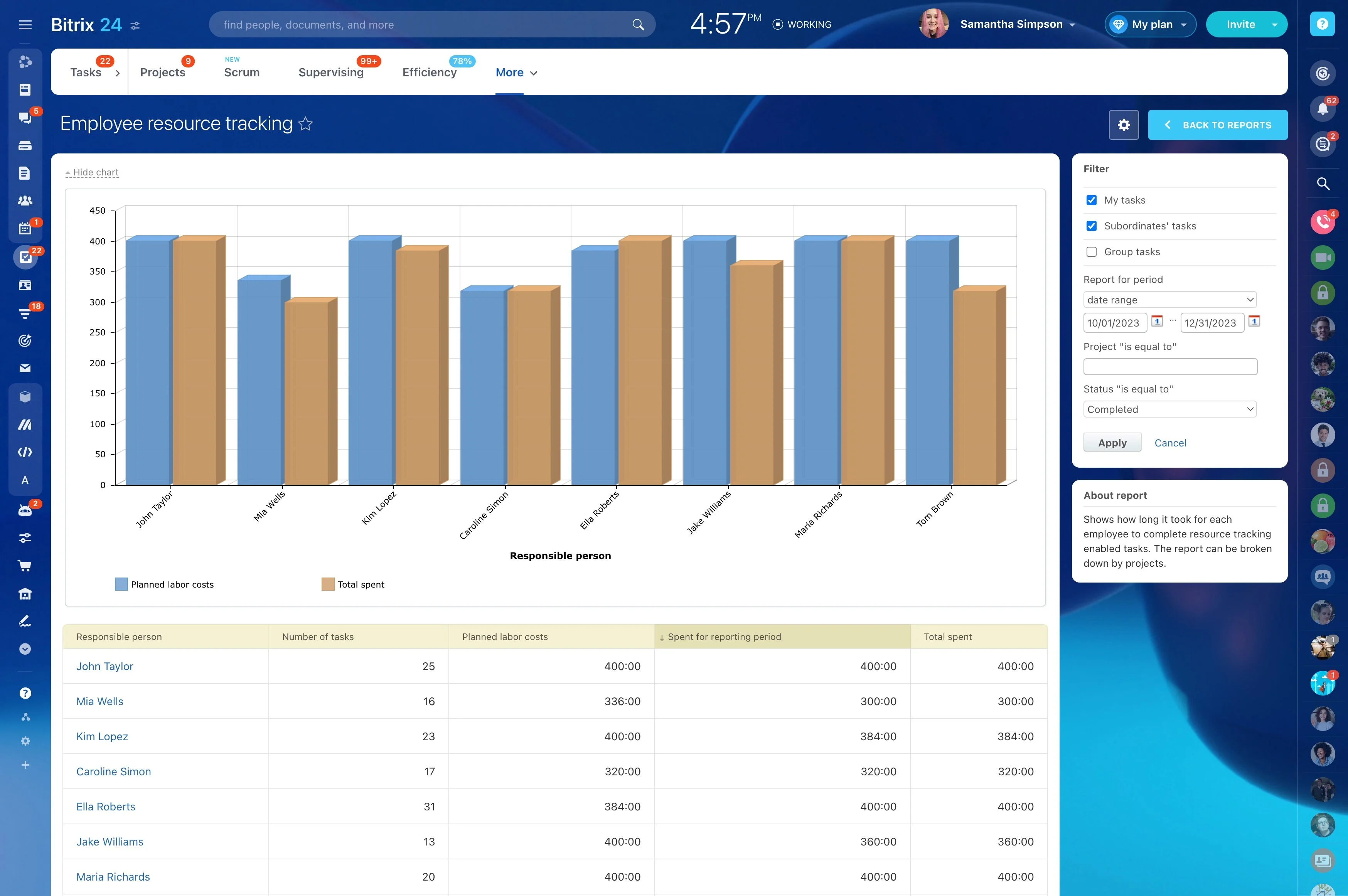
See how work is distributed
Review active tasks by owner to understand each team member’s current responsibilities. This makes uneven distribution easier to spot and gives managers a practical starting point for checking capacity before adding more work.
- See who owns active tasks
- Compare responsibilities across the team
- Identify assignments that may create pressure
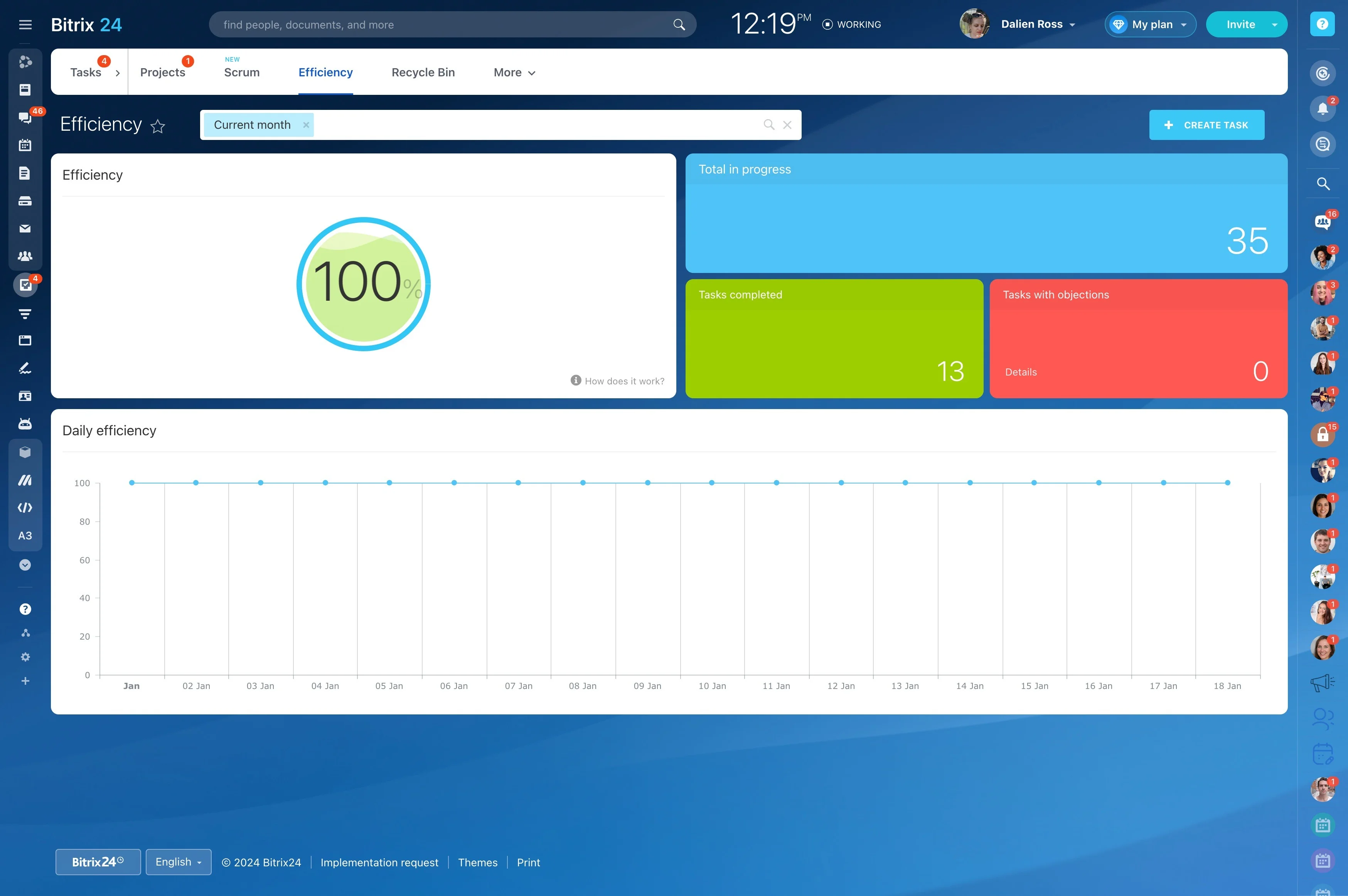
Assign new work with capacity in mind
Before assigning a task, consider the work already committed to each person. Managers can direct new work to someone with more capacity, redistribute responsibilities, or change priorities when several projects depend on the same specialist.
This approach is useful when urgent requests arrive during an already busy period.
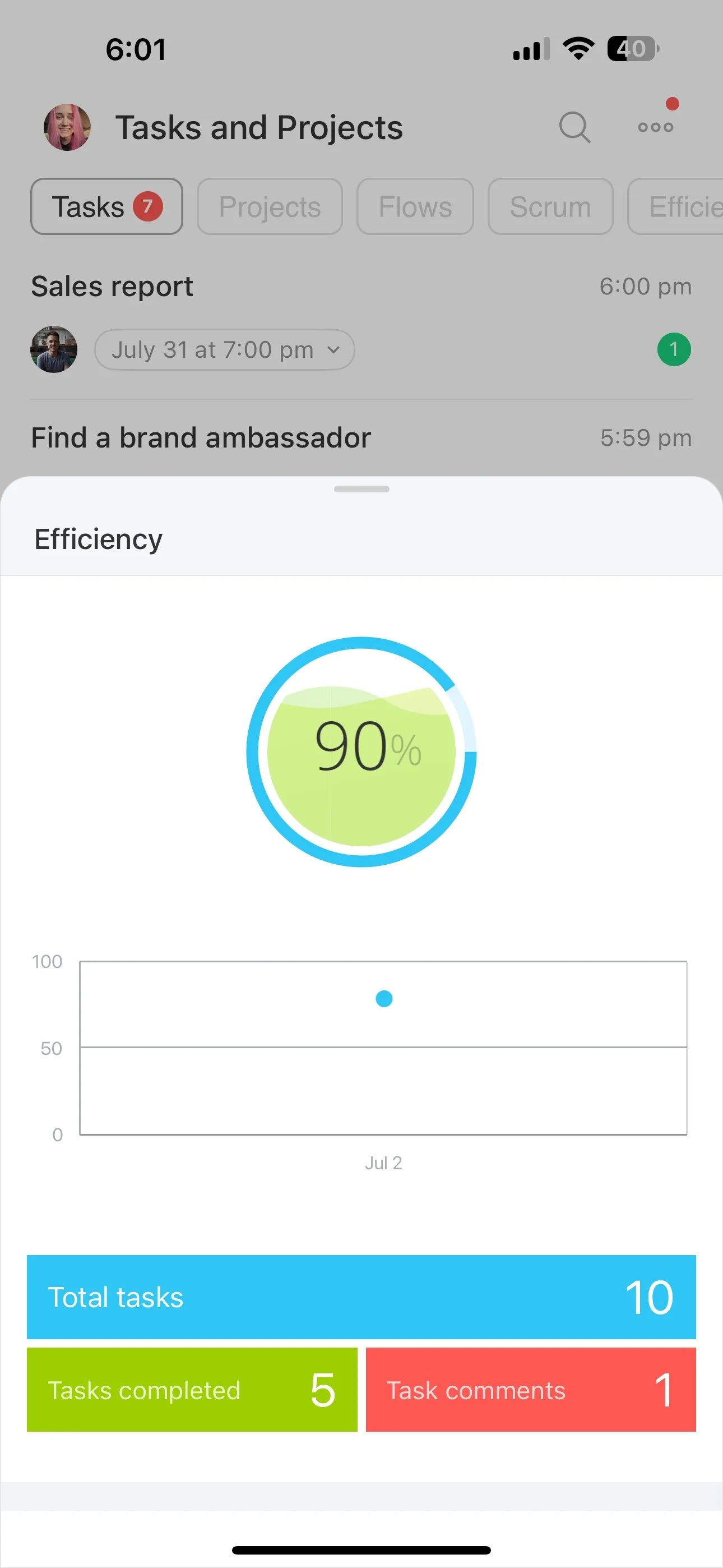
Compare planned work with actual effort
Task ownership shows expected responsibility, while time tracking adds context about the effort involved. Reviewing both can reveal when recurring work takes longer than expected or when estimates need to change.
These observations support more realistic future assignments and workload discussions.
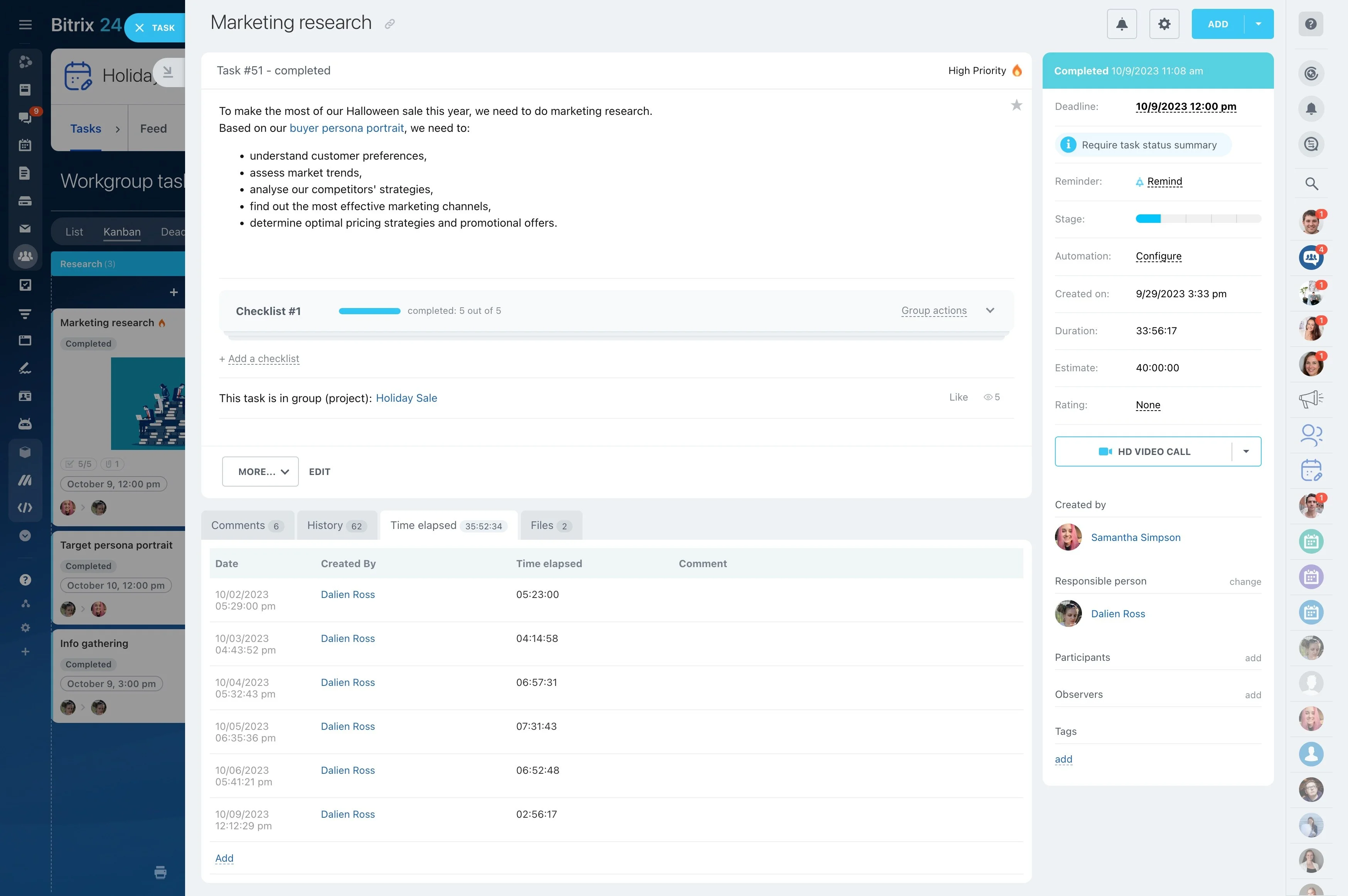
Keep responsibility current
Capacity changes as tasks are added, priorities move, and ownership shifts. Keeping assignments up to date gives managers a more reliable view of who is accountable for current work.
Clear ownership also makes it easier to reassess workload when project conditions change.
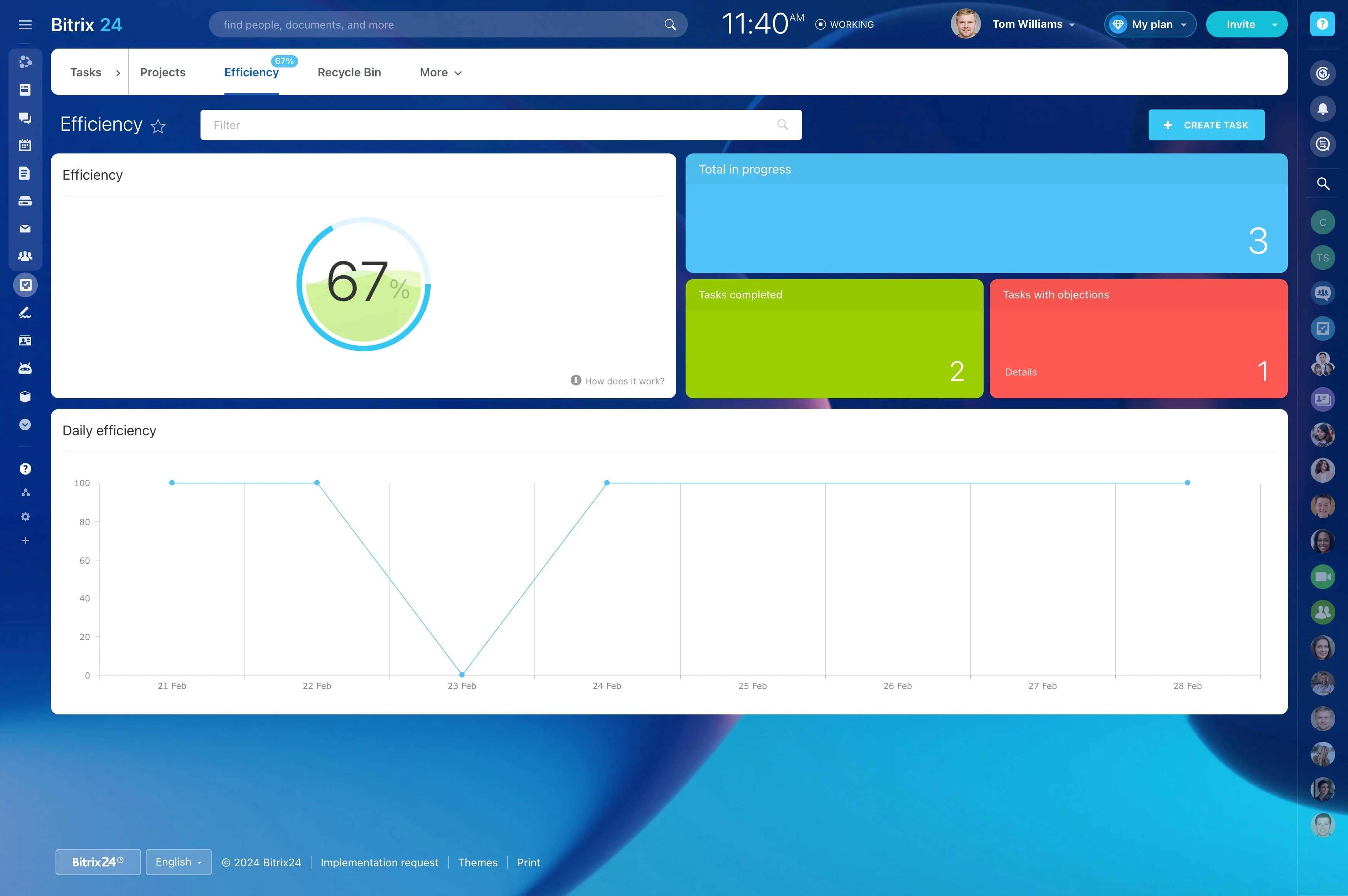
Make workload reviews routine
A useful workload review follows a simple cycle: check assignments, compare them with tracked time, and decide whether work should be reassigned, reprioritized, or planned differently.
Repeating this review keeps capacity decisions connected to day-to-day execution instead of treating workload as a one-time check.